
Ахмедияр Аружан Сағадатқызы
“Шетел тілі:екі шетел тілі” білім беру бағдарламасының 3-курс студенті,
Ыбырай Алтынсарин атындағы Арқалық педагогикалық университеті
Өтеген Нұралы Оразкелдіұлы
Филология ғылымдарының PhD докторы,
Ыбырай Алтынсарин атындағы Арқалық педагогикалық университетінің доценті
Akhmediyar A.S.
Student of the Educational Program “6B01703 – Foreign Language: Two Foreign Languages”
Faculty of Philology, Ybyrai Altynsarin Arkalyk Pedagogical University
(Arkalyk, Republic of Kazakhstan)
Nuraly O.O.
PhD in Philology, Associate Professor of Ybyrai Altynsarin Arkalyk Pedagogical University
Abstract: Speaking remains one of the most challenging skills for learners of English as a second language. This investigation explores key psychological, linguistic, and environmental barriers affecting speaking performance among ESL learners. A survey of 40 participants revealed that fear of making mistakes, limited vocabulary, and low confidence significantly hinder learners’ engagement in speaking tasks. Participants also reported insufficient exposure to English outside the classroom, reducing opportunities for authentic communication. These findings align with previous international and Kazakhstani studies, emphasizing the need for supportive teaching strategies and communicative activities that reduce anxiety and improve fluency.
Keywords: speaking skills, language anxiety, ESL learners, communication challenges, classroom environment
Introduction
Speaking is widely recognized as one of the most demanding aspects of language learning because it requires immediate processing, fluency, and confidence. Unlike reading and writing, speaking occurs in real time, which increases cognitive load and emotional stress. Previous research underscores recurring obstacles such as limited vocabulary, anxiety, and fear of negative evaluation (2), as well as insufficient opportunities for communicative practice (4). Studies from different learning contexts highlight how psychological and environmental factors interact to influence speaking performance (1)(3)(7).
Kazakhstani scholars also report similar challenges. The lack of exposure to authentic English-speaking environments significantly restricts speaking development (9). Teacher-centered practices and insufficient communicative activities remain obstacles in local classrooms (10)(11). Aubakirova emphasizes that students require more meaningful oral interaction to build confidence and fluency (12).
This study builds on both global and Kazakhstani findings by analyzing which factors most strongly affect ESL learners’ speaking performance.
Literature Review
Research consistently shows that internal psychological factors such as language anxiety, fear of negative evaluation, and low self-confidence significantly affect learners’ willingness to speak (2)(3). Speaking anxiety has been widely documented among EFL learners in diverse contexts, including Turkey (6) and Indonesia (7), where students often remain silent despite adequate grammatical knowledge.
Environmental barriers also play a key role. Limited exposure to real-life English-speaking contexts reduces opportunities for practice and reinforces anxiety (4). International studies reveal that insufficient communicative interaction leads to reduced fluency and slower progress (1)(5).
In Kazakhstan, communication barriers are similarly emphasized. Kunanbayeva highlights the need for a competency-based communicative approach tailored to learners’ needs (9). Zhetpisbayeva and Shelestova identify persistent difficulties in teaching speaking due to limited authentic interaction (10). Karabassova notes that although teachers support communicative methods, institutional constraints hinder their implementation (11). Aubakirova argues that learners require more structured speaking tasks to develop oral proficiency (12).
Methodology
Participants. The sample consisted of 40 ESL learners aged 15–21 with elementary to intermediate proficiency.
Instrument. An online questionnaire included closed-ended questions focusing on:
- speaking frequency
- anxiety factors
- comfort in real communication
- access to speaking partners
- perceived barriers to improving speaking
Procedure. The survey was conducted anonymously and voluntarily over three days. Participants completed the questionnaire voluntarily. No personal data were collected, which encouraged honest responses.
Data Analysis. Responses were analyzed descriptively to identify the most commonly reported speaking difficulties and their frequency.
Results. The survey findings revealed several significant trends:
Psychological Barriers
Environmental and Exposure Factors
Most learners reported minimal exposure to English outside the classroom. This mirrors the findings of Kazakhstani researchers who emphasize that local environments offer few opportunities for authentic communication (10)(12).
62% rarely practice speaking beyond lessons only 18% regularly interact with advanced speakers or foreigners several learners reported having “no one to practice with”
Opportunities for Practice
Even motivated learners struggled to practice independently due to lack of partners, ideas, or structured support.
Discussion
Internal factors
The findings show that both psychological and environmental factors significantly influence speaking performance. Fear of negative evaluation and anxiety inhibit participation, consistent with international studies (2)(4)(6). Linguistic limitations such as restricted vocabulary further reduce learners’ ability to speak confidently (3)(5).
External factors
Kazakhstani research supports these conclusions, noting that the scarcity of authentic English-speaking environments contributes to persistent speaking difficulties (9)(10)(12). Moreover, institutional constraints limit the use of communicative teaching methods, reducing opportunities for meaningful speaking practice (11).
Implications for Teaching
To address these challenges, teachers should:
- incorporate more communicative activities (pair work, role plays, discussions)
- provide constructive and supportive feedback
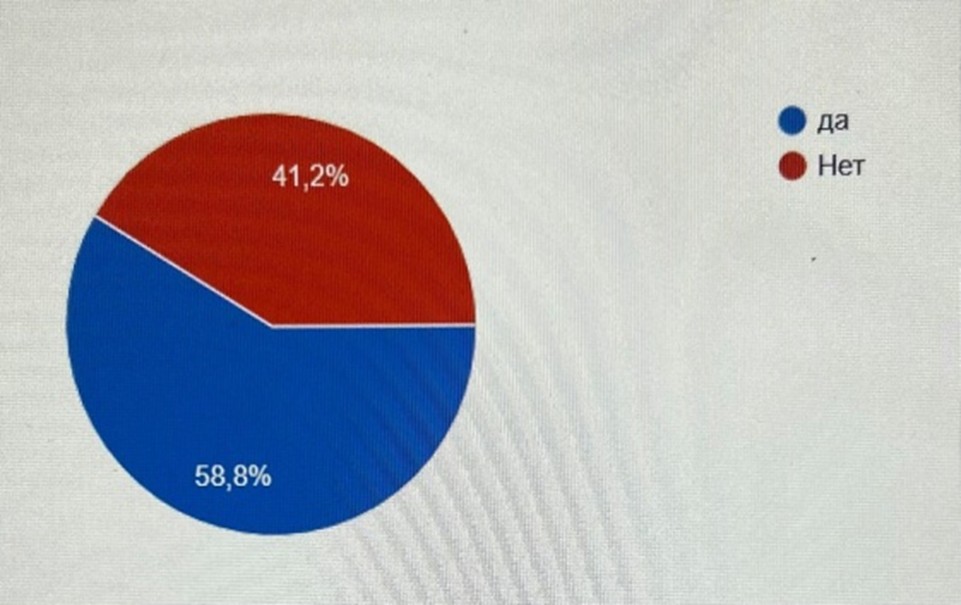
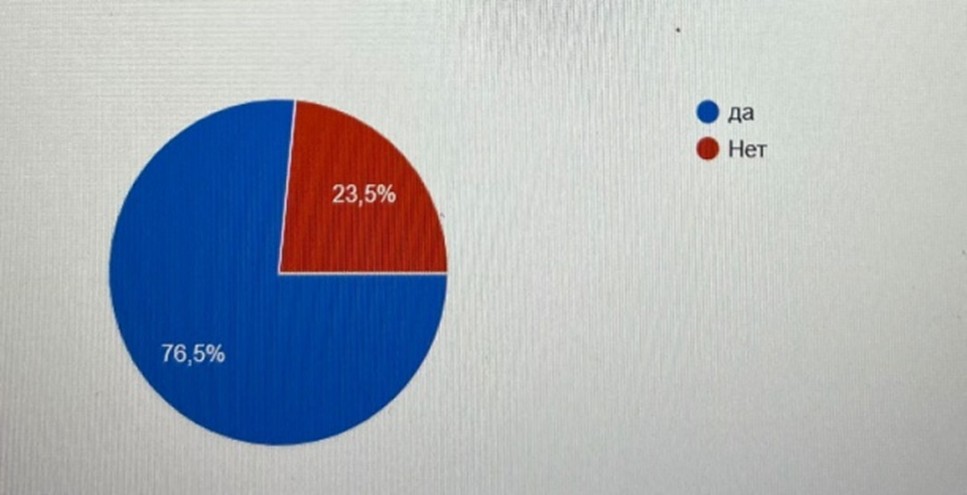
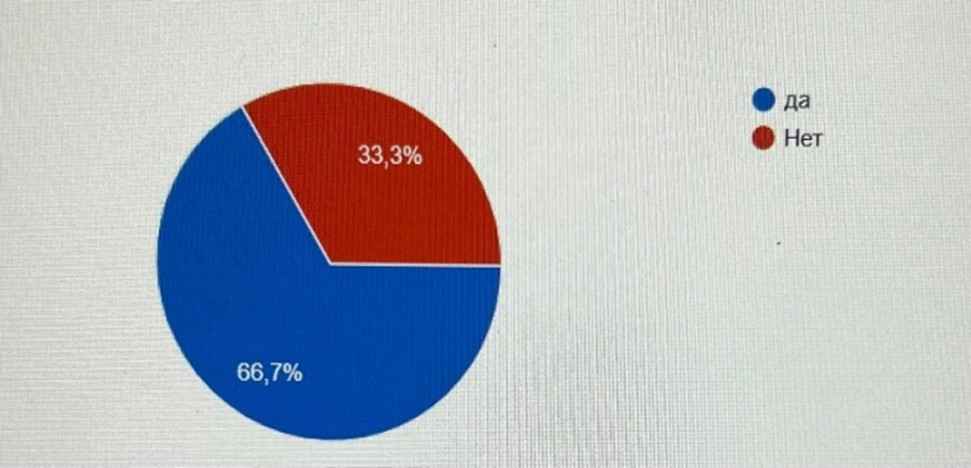
- normalize mistakes as part of learningA significant number of learners reported fear of making mistakes, nervousness when speaking, and low confidence. These trends align with findings from previous studies on language anxiety (1)(2)(6). Similar patterns were observed in Kazakhstan, where psychological pressure remains a barrier to communication (12).
- 76% feared making mistakes
- 67% felt nervous when speaking in front of others
- 58% lacked confidence in their speaking ability
- These findings align with earlier studies suggesting that psychological elements—especially fear of negative evaluation—have a strong influence on speaking performance.
- Linguistic Limitations
- Many participants identified limited vocabulary as a key obstacle. Difficulties forming sentences quickly and lack of speaking strategies were also common. These results correspond with international research highlighting linguistic limitations in EFL contexts (3)(5).
- create a psychologically safe environment
- encourage learners to engage in independent speaking practice
- introduce digital tools for online speaking exchanges
These measures can significantly reduce anxiety and increase learners’ confidence and fluency.
Conclusion
This study confirms that ESL learners’ speaking performance is shaped by interconnected psychological, linguistic, and environmental factors. Anxiety, limited vocabulary, and insufficient exposure to English are the most influential barriers to effective communication. These obstacles align with both international and Kazakhstani research, demonstrating the global nature of speaking challenges while highlighting regional constraints specific to Kazakhstan.
Addressing these issues requires supportive teaching environments, increased communicative activities, and broader opportunities for speaking practice inside and outside the classroom. Teachers should adopt approaches that reduce anxiety, normalize errors, and promote self-confidence through meaningful interaction. Incorporating digital tools, peer exchanges, and real-life communication tasks can significantly enhance learners’ exposure.
Given Kazakhstan’s limited natural English-speaking environment, the need for proactive, communicative approaches is especially critical. Future research may expand the sample size, compare educational institutions, or test specific interventions designed to reduce speaking anxiety. Continued exploration in the Kazakhstani context is essential for developing effective, culturally relevant strategies that support learners’ speaking development.
REFERENCES
- Language Anxiety And Its Effects On Speaking Performance Among EFL Learners. (2025). Texas Journal of Philology, Culture and History, 48, 7–10.
- Rahmat, N. H., Abu Bakar, A. M., Zamri, A. H., Roslan, A. N., Zakaria, A. Z., & Sabandi, D. T. A. (2024). A Study of Speech Anxiety Among ESL Learners. European Journal of English Language Teaching.
- Sjaifullah, A. (2019). An analysis of EFL students’ anxiety factors in speaking. International Research Journal of Engineering, IT and Scientific Research, 5(3), 43–48.
- Hanifa, R. (2024). Factors generating anxiety when learning EFL speaking skills. Studies in English Language and Education.
- Nurul Aini & Lubis, Y. (2023). Investigating EFL Students’ Speaking Anxiety: A Case Study at English Department of UINSU. Exposure: Jurnal Pendidikan Bahasa Inggris, 12(1).
- Öztürk, G., & Gürbüz, N. (2022). Speaking anxiety among Turkish EFL learners: The case at a state university. Journal of Language and Linguistic Studies.
- Sulistyowati, T. (2023). Factors Causing English Speaking Anxiety (ESA) among Post-Graduate Students. Applied Research on English Education.
- Rakhimzhanova, T. (2022). English Language Speaking Anxiety of EFL Pre-Service Teachers (Master’s thesis). Nazarbayev University.
- Kunanbayeva, S. S. (2015). The Competency-Based Approach in Foreign Language Education. Almaty.
- Zhetpisbayeva, B. A., & Shelestova, T. Y. (2017). Multilingual Education in Kazakhstan: Problems of Teaching Speaking Skills. Karaganda State University.
- Karabassova, L. (2020). Teachers’ perceptions of implementing communicative language teaching in Kazakhstan. Language Testing in Asia, 10(11).
- Aubakirova, G. K. (2019). Methods of developing oral communication skills among EFL learners in Kazakhstani secondary schools. Bulletin of Kazakh Ablai Khan University.